

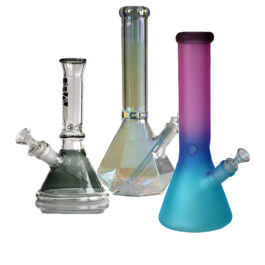

Choosing the right material for a smoking pipe is crucial for enhancing your smoking experience. Each material, wood, glass, and metal, offers unique benefits and drawbacks that can significantly affect flavor, durability, and maintenance. Whether you are a seasoned smoker or a newcomer, knowing the differences between these materials can enhance your enjoyment and satisfaction.
This guide will help you understand the characteristics of these materials, allowing you to make an informed decision based on your preferences and smoking style.
We will explore the benefits and drawbacks of wood smoking pipes, the durability and cleanliness of glass pipes, the characteristics of metal pipes, and how to choose the best pipe material for your smoking style.
Key Takeaways
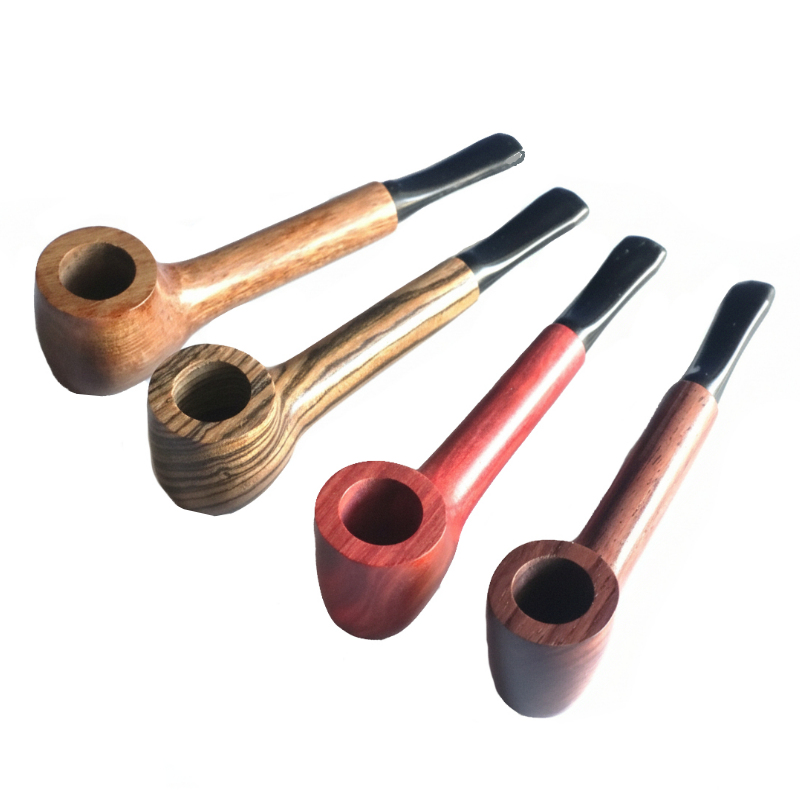
- Wood (The Flavor Enhancer): Exotic hardwoods like Padauk and Morado are the 2026 favorites for their stunning aesthetics. Wood pipes “season” over time, absorbing oils and creating a personalized flavor profile, though they require the most maintenance to avoid cracking.
- Glass (The Purist’s Choice): Borosilicate glass remains the gold standard because it is non-porous. It doesn’t ghost (carry flavors from previous sessions), making it the best choice for those who want to taste the exact terpene profile of their product.
- Metal (The Tank): Ideal for travel and outdoor use. Modern Stainless Steel and Brass pipes are nearly indestructible. While they can run hotter than other materials, they are the easiest to deep-clean and are often designed for discreet, on-the-go sessions.
- Heat Management: Metal conducts heat fastest, potentially leading to a harsher hit. Wood and thick borosilicate glass act as insulators, providing a cooler, smoother draw for the user.
What Are the Key Benefits of Wood Smoking Pipes?
Wood smoking pipes are cherished for their natural aesthetics and the unique flavors they impart. However, they come with both advantages and disadvantages that every smoker should consider.
Which Wood Types Are Most Popular for Smoking Pipes?
Several types of wood are commonly used in smoking pipes, each offering distinct characteristics. The most popular include:
Briar Wood: Known for its heat resistance and durability, briar is the most favored material for pipe making. It absorbs moisture and provides a smooth smoking experience.
Maple Wood: This wood offers a mild, slightly sweet flavor and is often used for its aesthetic appeal. However, it requires more maintenance to prevent cracking.
Cherry Wood: Cherry pipes are appreciated for their unique flavor profile, which can sweeten over time. They are less durable than briar but provide a pleasant smoking experience.
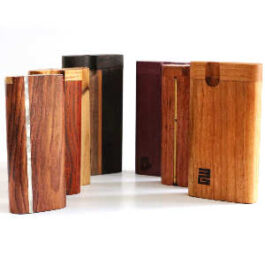
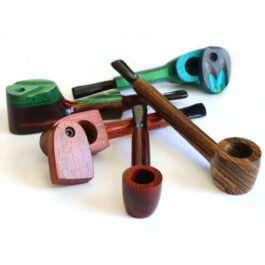
Although these are common types, we’re in an age where pipe-making has taken on new heights, and where many exotic hardwood pipes carved from Padauk, Bocote and Morado are commonly used to enhance the aesthetic of your pipe. It’s worth exploring retailers to find out what’s available to you.
How Does Wood Affect Flavor and Maintenance?
Wood significantly influences the flavor of the smoke. Briar, for instance, enhances natural flavors, while cherry wood can add a subtle sweetness. However, wood pipes require regular maintenance to ensure longevity.
This includes cleaning the bowl and stem to prevent buildup and ensuring the wood does not crack or warp. Proper care can enhance the flavor and lifespan of the pipe, making it a worthwhile investment for dedicated smokers.
How Durable and Clean Are Glass Smoking Pipes?
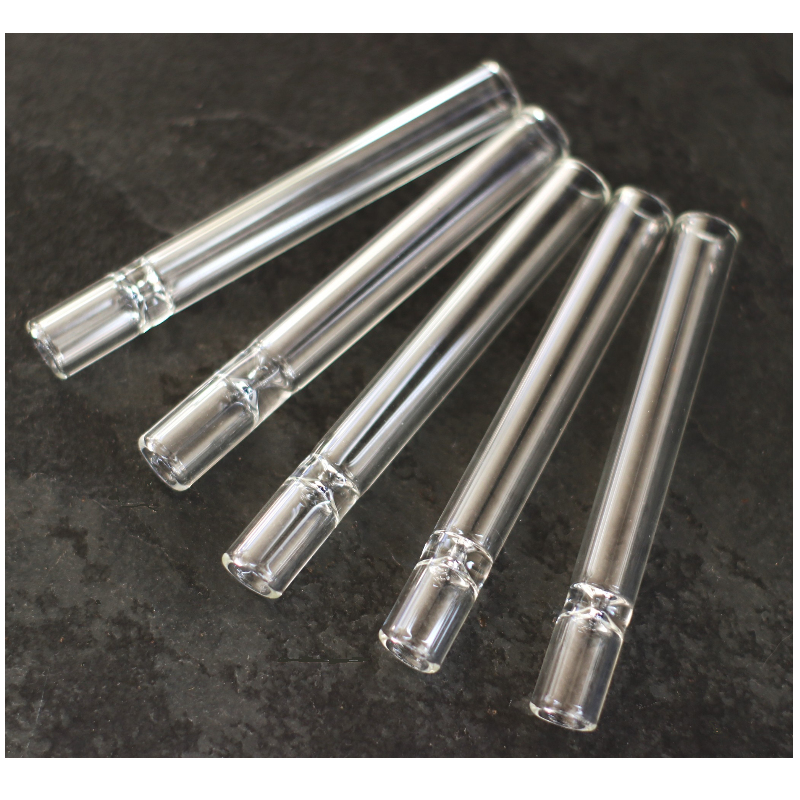
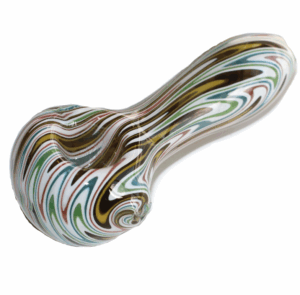
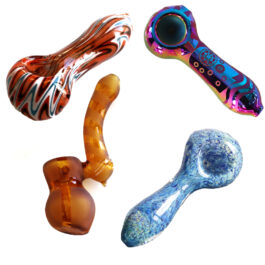
Glass smoking pipes are known for their ease of cleaning and ability to provide a pure taste, making them a popular choice among smokers who prioritize flavor clarity.
What Makes Borosilicate Glass Ideal for Smoking Pipes?
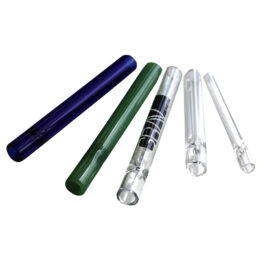
Borosilicate glass is favored for its high resistance to thermal shock, making it less likely to break under heat. This type of glass is also non-porous, which means it does not absorb flavors or odors, ensuring a clean smoking experience. Its clarity allows users to appreciate the aesthetics of the pipe while enjoying a pure taste.
Research further elaborates on the impressive thermal shock resistance of borosilicate glass, confirming its suitability for high-temperature applications.
How Do Glass Pipes Compare in Taste and Portability?
Glass pipes are renowned for providing a clean and untainted flavor, allowing the true essence to shine through. Additionally, their lightweight nature makes them highly portable, ideal for smokers on the go. However, they can be more fragile than wood or metal pipes, requiring careful handling to avoid breakage.
What Are the Characteristics of Metal Smoking Pipes?
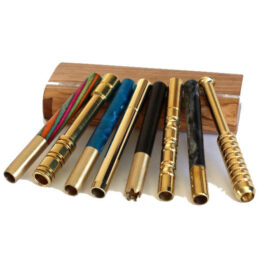
Metal smoking pipes are often chosen for their durability and unique designs. They offer a different smoking experience compared to wood and glass.
Which Metals Are Commonly Used in Smoking Pipes?
Common metals used in smoking pipes include:
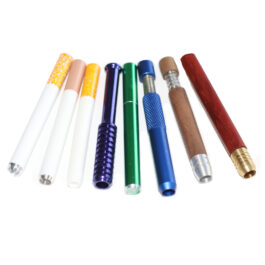
Brass pipes are known for their durability and resistance to corrosion, brass pipes can withstand high temperatures and are often used in intricate designs.
Stainless Steel: This metal is favored for its strength and ease of cleaning. Stainless steel pipes do not rust and maintain their appearance over time.
Aluminum: Lightweight and affordable, aluminum pipes are popular among casual smokers. However, they may not provide the same flavor quality as brass or stainless steel.
These metals contribute to the overall durability and aesthetic appeal of the pipes, making them a practical choice for many smokers.
How Do Metal Pipes Impact Heat and Flavor?
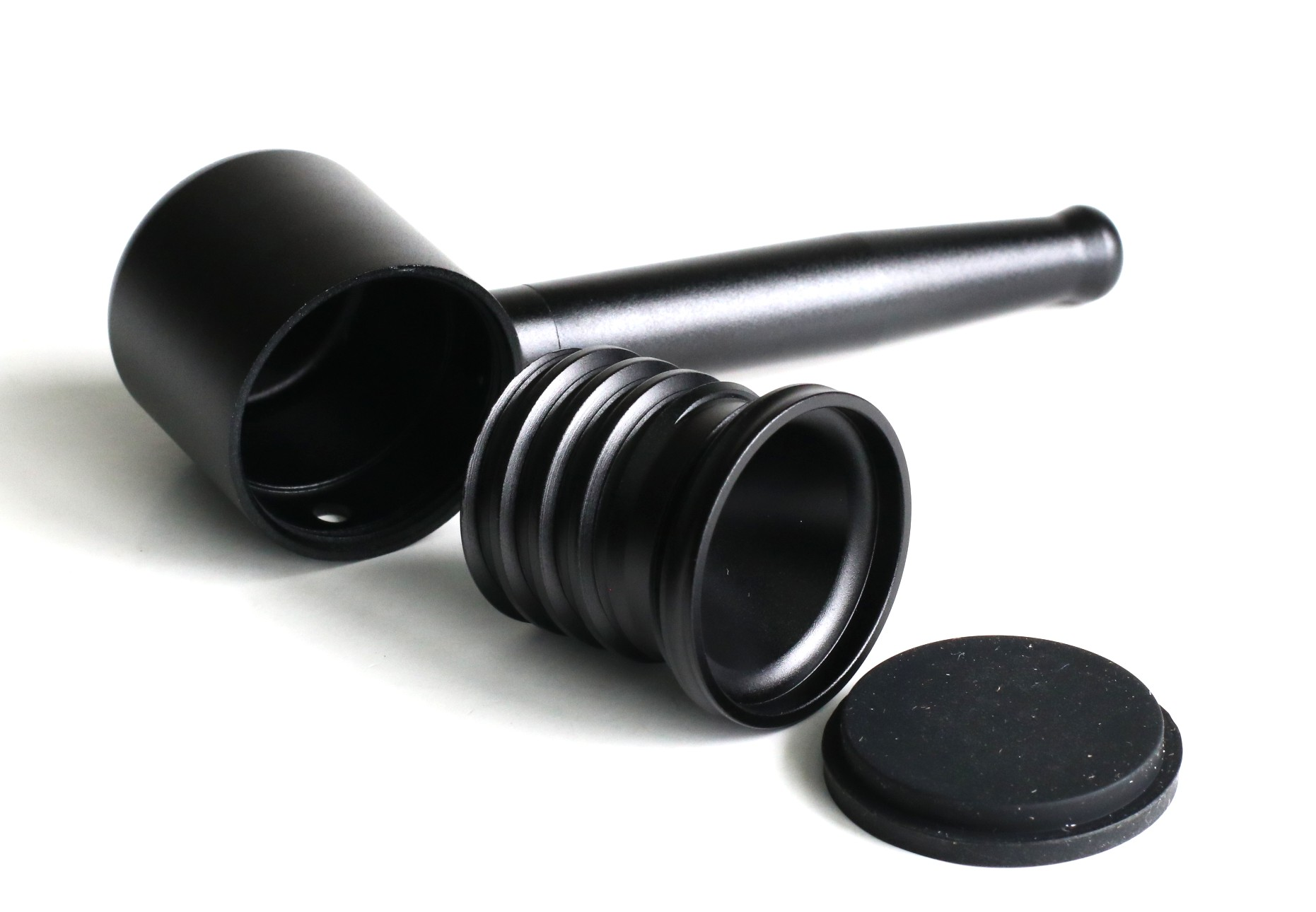
Metal pipes can retain and conduct heat more effectively than wood or glass, which can lead to a hotter smoking experience. While this can enhance the intensity of the flavor, it may also result in a harsher smoke if not managed properly
Smokers should be aware of this characteristic and adjust their smoking technique accordingly to enjoy a smoother experience.
How Do You Choose the Best Pipe Material for Your Smoking Style?
Selecting the right pipe material depends on various factors, including personal preferences, smoking habits, and maintenance considerations.
What Factors Should Influence Your Pipe Material Choice?
When choosing a smoking pipe, consider the following factors:
- Flavor Preference: If you prioritize flavor, wood pipes may be the best choice due to their ability to enhance the natural taste.
- Durability Needs: For those who travel frequently or prefer a low-maintenance option, glass or metal pipes may be more suitable.
- Aesthetic Appeal: The visual aspect of the pipe can also influence your choice. Wood pipes offer a classic look, while glass pipes can be more artistic.
How Does Maintenance and Budget Affect Material Selection?
Maintenance requirements can vary significantly between materials. Wood pipes require regular cleaning and care, while glass pipes are easier to maintain.
Budget is also a crucial factor; while high-quality wood pipes can be expensive, metal pipes often provide a more affordable option without sacrificing durability.
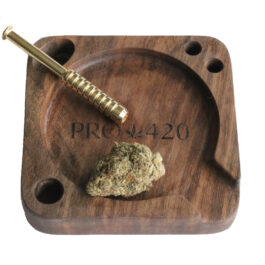
For those looking for high-quality smoking accessories, PRO420 offers a variety of handcrafted pipes made from premium materials, ensuring a satisfying smoking experience. Their selection includes options in wood, glass, and metal, catering to different preferences and styles.
| Material Type | Benefits | Drawbacks |
| Wood | Natural flavor, aesthetic appeal | Requires maintenance, can crack |
| Glass | Easy to clean, pure taste | Fragile, can break easily |
| Metal | Durable, low maintenance | Can retain heat, may affect flavor |
In conclusion, understanding the characteristics of wood, glass, and metal smoking pipes is essential for making an informed choice.
Each material offers unique benefits and drawbacks that cater to different smoking styles and preferences.
Frequently Asked Questions (FAQ)
Which pipe material is easiest for a beginner to clean?
Glass.You can simply soak a borosilicate pipe in isopropyl alcohol and salt to return it to brand-new condition. Wood requires specialized tools and must never be soaked, as it will warp or rot.
Does a metal pipe leave a “metallic” taste?
High-quality Stainless Steel and Medical-grade Titanium (common in 2026) are flavor-neutral. However, cheaper aluminum pipes can sometimes impart a metallic note, especially when they get too hot.
Why is Briar wood so expensive?
Briar is harvested from the root burl of the Heath tree. It is unique because it is incredibly heat-resistant and naturally porous, allowing it to absorb moisture and heat for a dry, cool smoke. It is the “gold standard” for high-end wood pipes.
Can glass pipes withstand high heat without cracking?
Yes, as long as they are made of Borosilicate. This glass is engineered for “thermal shock resistance,” meaning it can handle the transition from a torch flame to room temperature without shattering.
What is “ghosting”?
Ghosting is when the flavor of a previous smoking session lingers in the pipe. Wood “ghosts” the most (which some smokers like), while glass is the only material that can be cleaned to a 100% flavor-neutral state.
Which material is best for traveling?
Metal. If you drop a metal pipe on a hiking trail, it stays in one piece. If you prefer the taste of glass but need portability, look for 2026 “armored” glass pipes that feature a protective silicone or metal sleeve.