

If you have been smoking herb with a one hitter or dugout and you are ready to level up your sessions, a bong is one of the best next steps you can take. Water pipes have been a staple of the smoking world for decades, and for good reason – they deliver smoother, cooler hits than almost any other method. But when you are staring down dozens of shapes, sizes, and materials without knowing where to start, it can be overwhelming.
If you have been eyeing a glass bong online or you just heard a friend talk about percolators and downstems, there are real questions that deserve clear answers before you spend your money.
This article breaks down everything a first-time buyer needs to know about bongs – from how they actually work to what materials and features matter most, what size fits your lifestyle, and how to keep your new piece clean. By the end, you will have the confidence to pick a water pipe that is right for you and get the most out of every session.
Key Takeaways
- Water Filtration: Bongs use water filtration to cool and smooth your smoke, making hits easier on your throat and lungs compared to dry pipes.
- Glass Is Gold: Glass bongs are the gold standard for flavor and easy cleaning, especially borosilicate glass that resists heat and breakage.
- Size Matters: Smaller bongs (8–12 inches) are ideal for beginners who want portability and easy maintenance.
- Percolators Add Complexity: Percolators add extra filtration but also add complexity; a simple downstem setup is perfect for your first piece.
- Keep It Clean: Regular cleaning with isopropyl alcohol and coarse salt keeps your bong hitting fresh and extends its lifespan.
How Does a Bong Actually Work?
A bong might look complicated at first glance, but the mechanics are surprisingly simple. Every water pipe operates on the same basic principle: smoke passes through water before it reaches your mouth, and that water does the heavy lifting when it comes to filtration and cooling.
Here is the chain of events when you take a hit. You pack your dry herb into the bowl, which sits in a downstem – a small tube that extends down into the water inside the base. When you light the bowl and inhale through the mouthpiece, you create suction that pulls smoke down through the downstem and into the water.
The smoke bubbles up through the water, which cools it and filters out some of the heavier particulate matter. That cooled, filtered smoke then travels up through the neck of the bong and into your lungs.
The result is a noticeably smoother hit compared to what you would get from a dry pipe or a rolled smoke. The water acts as a natural cooling system, which is why many seasoned smokers swear by water bongs as their go-to method for daily sessions.
What Are the Different Types of Bongs?
Not all bongs are built the same, and the shape and design of a water pipe directly affect how it hits. Here are the most common types you will run into as a beginner.
Straight Tube Bongs
The straight tube is the classic bong design – a simple vertical cylinder with a downstem, bowl, and mouthpiece. These are easy to use, easy to clean, and deliver direct, powerful hits. If you want no-nonsense functionality, a straight tube is hard to beat for your first piece.
Beaker Bongs
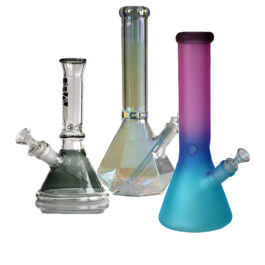
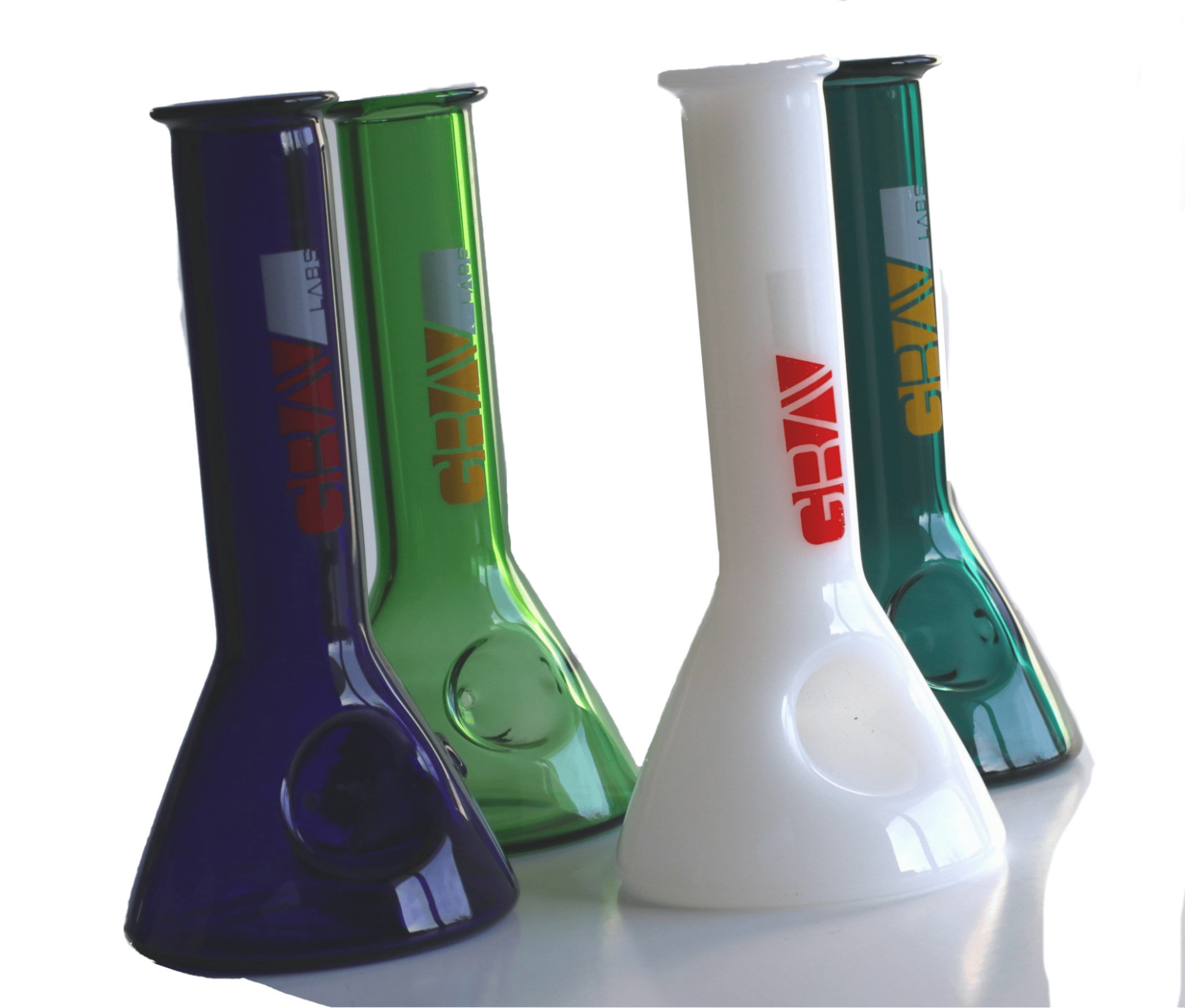
Beaker bongs have a wider, cone-shaped base that holds more water and gives the piece a lower center of gravity. That means they are more stable on a table and harder to knock over, which is a real advantage for new users. The larger water chamber also provides a bit more filtration than a straight tube of the same height.
Bubblers
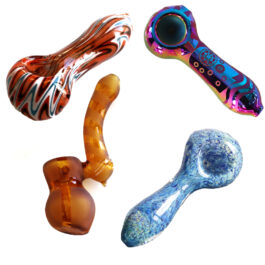
A bubbler is essentially a hybrid between a bong and a handheld pipe. They are smaller, more portable, and still use water filtration. If you are not ready to commit to a full-size water pipe, a bubbler can be a great entry point into water-filtered smoking. PRO 420 carries a solid selection of bongs and bubblers that covers everything from compact bubblers to full-size glass pieces.
Percolator Bongs
Percolator bongs include one or more internal chambers that break the smoke into smaller bubbles before it reaches you. More bubbles mean more surface area in contact with water, which means extra cooling and filtration. They deliver incredibly smooth hits, but they are also more complex to clean and typically cost more.
Glass vs. Silicone vs. Acrylic: Which Material Should You Choose?
The material your bong is made from affects everything – taste, durability, cleaning ease, and price. Here is how the three most common materials stack up.
Glass Bongs
Glass is the preferred material for most experienced smokers, and there is a reason it dominates the market. A quality glass bong made from borosilicate glass delivers the cleanest flavor because it does not impart any taste to your smoke. It is also heat-resistant, which means it handles the thermal stress of repeated use without cracking.
Glass is easy to see through, so you always know when it is time for a cleaning. The trade-off is that glass can break if you drop it – but with reasonable care, a well-made glass bong lasts for years.
Silicone Bongs
Silicone bongs are virtually indestructible and often foldable, making them a popular choice for travel or outdoor sessions. They are affordable and come in every color imaginable. The downside is that silicone can retain odors over time, and some users notice a subtle difference in flavor compared to glass.
Acrylic Bongs
Acrylic bongs are the budget option. They are cheap, lightweight, and durable, but they come with compromises. Acrylic can affect the taste of your smoke, and they scratch easily, making them harder to keep clean over time. Most smokers treat acrylic as a starter piece before upgrading to glass.
For beginners who want the best overall experience, a mid-range glass bong is the smartest investment. You will taste the difference from your very first hit.
What Size Bong Is Best for a Beginner?
Size is one of the most important decisions you will make, and bigger is not always better – especially when you are just starting out.
Small Bongs (6–10 inches)
Small bongs are portable, discreet, and easy to store. They are also easier to clean and less likely to produce overwhelmingly large hits. If you are coming from a one hitter pipe or a dry pipe and want a gentle transition to water filtration, a small bong is a solid choice.
Medium Bongs (10–14 inches)
This is the sweet spot for most beginners. A medium bong gives you enough water volume for good filtration, enough neck length for cool smoke, and enough stability to sit comfortably on a table. You get a noticeably smoother experience than a small piece without the unwieldy size of a large one.
Large Bongs (14+ inches)
Large bongs deliver massive, heavily filtered hits – but they also require more lung capacity and can be harsh for inexperienced users. They are harder to clean, easier to break, and take up more space. Save the big rigs for when you have got some experience under your belt.
Essential Bong Accessories Every Beginner Needs
Your bong is the centerpiece, but a few key accessories make the whole experience better from day one.
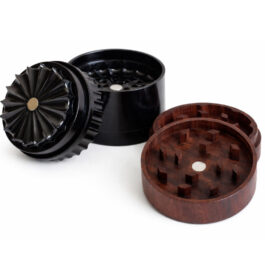
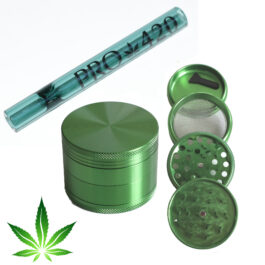
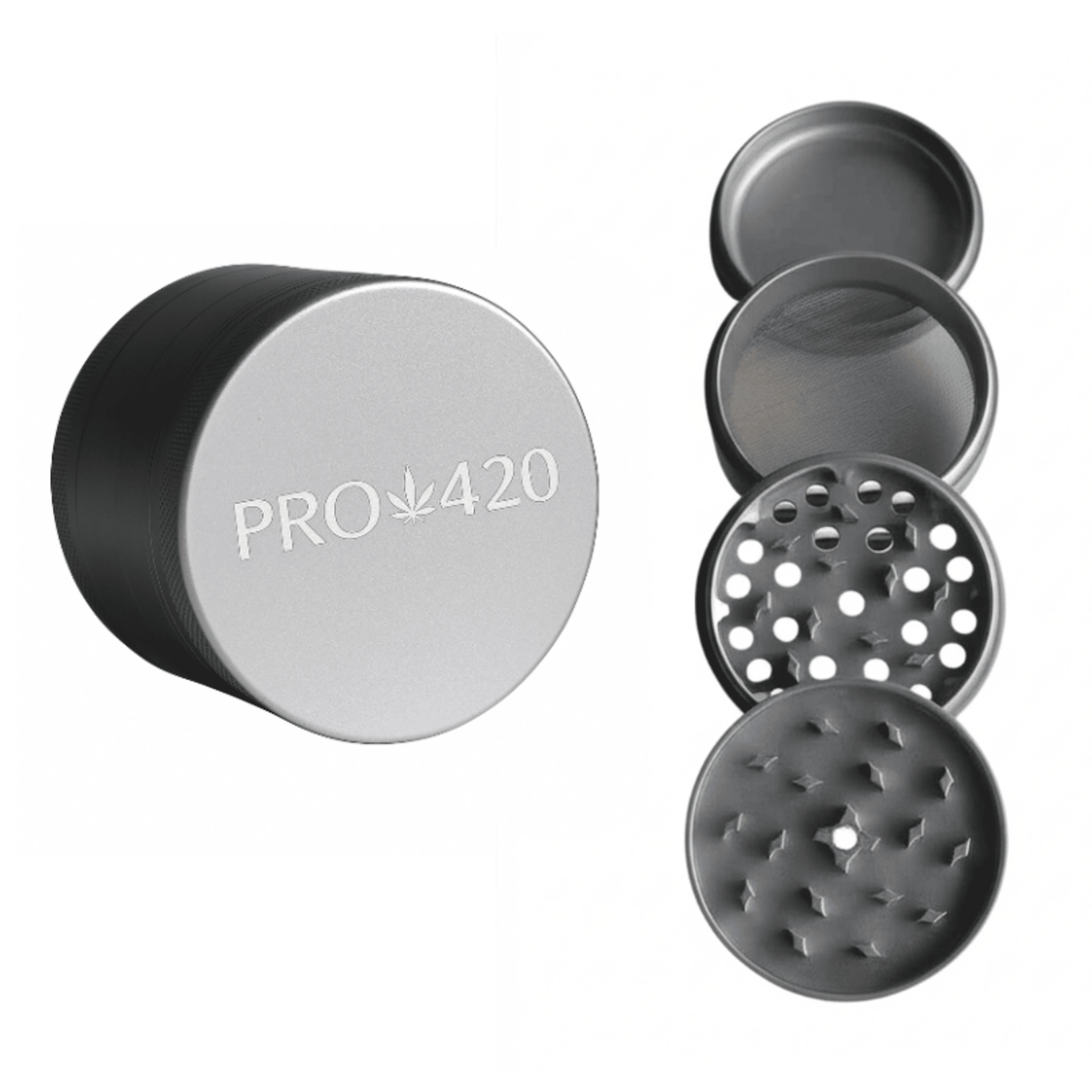
A quality herb grinder is non-negotiable. Evenly ground herb burns more consistently in a bowl, which means smoother hits and less wasted material. PRO 420’s ceramic and metal grinders are built to last and designed for easy, efficient grinding.
An ash catcher is another smart add-on. It sits between your bowl and downstem and traps ash and debris before they enter the water, which keeps your bong cleaner for longer between deep cleans.
Finally, invest in a few pipe cleaners, some isopropyl alcohol, and coarse salt for cleaning. These three items are all you need to keep your glass looking and tasting brand new. And if you already have a collection of pipes and accessories, a good stash jar keeps your herb fresh and ready for whenever the session starts.
How to Take Your First Bong Hit
If you have never hit a bong before, here is a step-by-step walkthrough so you know exactly what to expect.
First, fill your bong with enough water to submerge the bottom of the downstem by about an inch. Too much water and you will get splashback; too little and you will not get proper filtration. Cold water gives you a cooler, smoother hit.
Next, grind your herb and pack the bowl loosely. You do not want to cram it in tight – airflow is key. A loosely packed bowl lets air pass through evenly, which means a consistent burn and a better hit.
Place your mouth inside the rim of the mouthpiece (not over it), light the corner of the bowl, and inhale slowly. You will see the smoke travel down into the water and bubble up through the chamber. Once the chamber is filled with the amount of smoke you are comfortable with, pull the bowl out of the downstem and inhale the cleared smoke.
Start with small hits. You can always take another one, but you cannot undo a hit that was too big. Bongs deliver more smoke per hit than most other methods, so ease into it.
Keeping Your Bong Clean: A Quick Maintenance Guide
A clean bong hits better, tastes better, and lasts longer. Dirty water and resin buildup affect flavor and can make your sessions unpleasant. The good news is that cleaning a glass bong is simple and takes just a few minutes.
For a basic cleaning, empty the water after every session and rinse the piece with warm water. This alone prevents the worst buildup. For a deeper clean, pour isopropyl alcohol (90% or higher) and a tablespoon of coarse salt into the bong, cover the openings, and shake vigorously. The salt acts as an abrasive that scrubs away resin while the alcohol dissolves it. Rinse thoroughly with warm water afterward.
Clean your bowl and downstem separately using the same method – soak them in a zip-lock bag with alcohol and salt, then rinse. Aim for a deep clean at least once a week if you are using your bong daily. Your taste buds will thank you, and your glass will stay crystal clear.
Your First Bong Is Closer Than You Think
Choosing your first bong does not need to be complicated. Start with a medium-sized glass bong with a simple downstem setup, grab a solid grinder, and keep your piece clean. That is the formula for a smooth, enjoyable experience right out of the gate.
The biggest mistake beginners make is overthinking it. You do not need the most expensive percolator rig or the tallest piece on the shelf. You need a well-made water pipe that fits your lifestyle, and you need to maintain it.
PRO 420’s bongs and bubblers collection features handcrafted, American-quality glass pieces that are built to last.
Frequently Asked Questions (FAQ)
Is a bong better than a pipe for smoking?
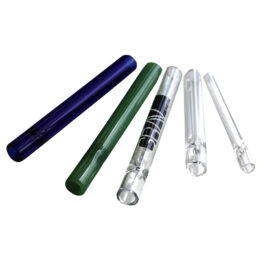
Bongs and pipes each have their advantages. A bong uses water filtration to cool and smooth the smoke, which many smokers find easier on the throat. Pipes like a glass one hitter are more portable and discreet. If smoothness is your priority, a bong is the better choice. If convenience matters more, a pipe wins.
How often should I change the water in my bong?
You should change the water after every session. Stale bong water develops odor, affects the taste of your smoke, and can harbor bacteria over time. Fresh water takes seconds to swap and makes a noticeable difference in flavor and smoothness.
Can I use ice in my bong?
Yes, many bongs include an ice catcher – a set of notches in the neck that hold ice cubes above the water line. The smoke passes over the ice as you inhale, which cools it even further. If your bong does not have an ice catcher, adding a few ice cubes directly to the water still helps.
What is the difference between a bong and a bubbler?
A bong is typically a larger, freestanding water pipe with a removable bowl and downstem. A bubbler is a smaller, handheld piece that combines a pipe’s portability with a bong’s water filtration. Bubblers are great for on-the-go use, while bongs deliver bigger, smoother hits at home.
How much should I spend on my first bong?
A quality beginner glass bong typically runs between $30 and $80. You do not need to break the bank, but avoid the cheapest options – thin glass and poor construction lead to breakage and a worse smoking experience. A mid-range piece from a reputable shop gives you durability and performance without overpaying.