
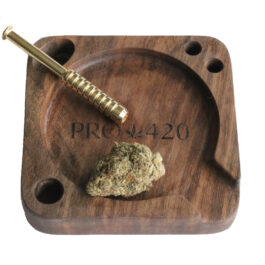



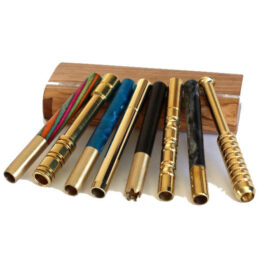
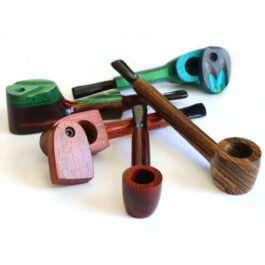


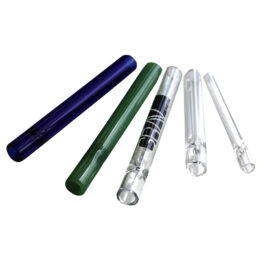





Many people notice their brass pipe loses its shine and wonder how to clean a brass pipe the right way. Brass pipes, like a brass one hitter or even glass pipes, can tarnish quickly if you do not care for them.
This guide will show clear steps and simple tips to help you keep your pipe bright and working well. Find out how easy it is to make your favorite piece look new again!
Key Takeaways
- Clean brass pipes often with simple tools like vinegar, salt, or baking soda to remove tarnish and dirt.
- Always wear gloves and use soft cloths to protect both your hands and the pipe’s surface while cleaning.
- Avoid harsh cleaners or abrasives that can scratch the metal; stick to gentle methods for best results.
- Dry pipes fully after rinsing them to prevent water spots, corrosion, and new tarnish from forming.
- Seek professional help if you notice tough corrosion, deep stains, or structural damage you cannot fix at home.
Why should I maintain brass pipes regularly?

Keeping brass pipes clean protects both their appearance and function. Regular cleaning removes tarnish that can build up quickly if you use your pipe often for flower or tobacco.
Dirt and moisture create surface corrosion which shortens the life of a brass pipe. If you buy brass pipes online or even own a wood pipe, proper care ensures smoother airflow each time you smoke.
Neglect allows bacteria to gather inside the pipe, affecting flavor and safety. Brass naturally develops patina from exposure to air and oils on your hands. Cleaning helps keep weed tasting fresh without any metal aftertaste or burnt residue stink lingering inside.
What tools and materials do I need to clean brass pipes?
To keep brass pipes looking shiny and functioning at their best, regular cleaning is essential.
The process is much simpler when you have the right materials on hand, starting with basic supplies like warm water for rinsing and mild dish soap to cut through initial grease and grime. For general handling, wearing protective gloves is a smart move to keep your skin safe from cleaning agents and prevent new fingerprints from smudging the metal.
When it comes to tackling stubborn tarnish, several natural household combinations work wonders. You can create a powerful cleaning paste using vinegar and salt, where the salt acts as a gentle abrasive, or mix baking soda with lemon juice to leverage their combined acidic and scrubbing properties.
For those who prefer a more heavy-duty option, a commercial brass cleaner provides a convenient and potent alternative.
To ensure a deep clean, a small brush or toothbrush is invaluable for reaching into tight crevices or the interior of the pipe without causing damage. Once the scrubbing is complete, use soft cloths to wipe down the surface safely.
The final step involves a dedicated polishing cloth, which is used to buff the brass to a high shine, ensuring the pipe remains a standout piece.
How do I prepare a brass pipe for cleaning?
To prepare a brass pipe for cleaning, start by removing it from its fixture. Ensure you wear gloves to protect your hands from dirt and cleaners. Clear the area around the pipe of any items that might get in the way.
Next, plug one end of the brass pipe with a cloth or rubber stopper to keep cleaning solutions inside while you work.
Rinse the inside and outside with warm water to remove loose debris. This step helps create a better surface for your cleaning method. If you plan to use vinegar, baking soda, or commercial cleaners later on, having a clean base makes those products more effective.
Now you’re ready to tackle tough stains and buildup on your brass pipe! Let’s explore some effective cleaning methods next.
Effective cleaning methods for brass pipes
Cleaning brass pipes effectively can make a big difference in their appearance and longevity. You can use common household items, such as vinegar and salt or baking soda with lemon juice, for powerful cleaning solutions that won’t break the bank.
How do I clean brass pipes with vinegar and salt?
Cleaning brass pipes with vinegar and salt is a simple yet effective method. This combination cuts through tarnish and restores shine.
- Gather your materials. You need white vinegar, salt, a bowl, and a soft cloth.
- Mix the solution. Combine equal parts of vinegar and salt in a bowl. Stir until the salt dissolves completely.
- Apply the mixture to the brass pipe. Use a soft cloth to soak up the solution and rub it onto the surface of the pipe.
- Let it sit for about 15 minutes to allow the mixture to work on tough stains.
- Rinse thoroughly with warm water after waiting. Make sure you remove all residues from the pipe’s surface.
- Dry off with a clean, dry cloth afterward. A proper drying prevents new tarnish from forming.
- For stubborn spots, repeat this process if necessary until you achieve your desired shine.
Using vinegar and salt offers an easy way to maintain your brass pipes effectively while being safe for home use. Up next is polishing your brass pipes for that shiny finish!
Can baking soda and lemon juice clean brass pipes?
Maintaining the shine of your brass pipes is a straightforward process using a simple, effective paste made by combining baking soda and lemon juice in a small bowl. These common household items work in tandem to break down stubborn tarnish and grime.
Once the mixture reaches a paste-like consistency, apply it directly to the brass using a soft cloth or sponge, paying extra attention to any heavily discolored spots.
To lift the dirt without scratching the metal surface, gently scrub the pipe using circular motions. After scrubbing, it is best to let the paste sit on the brass for approximately 10 minutes, giving the acidic properties of the lemon juice time to dissolve deeper stains. When the time is up, rinse the pipe thoroughly with warm water to ensure no residue is left behind.
The final, and perhaps most important, step is to dry the pipe immediately with a soft towel, as lingering moisture can quickly lead to new tarnishing.
Whether you choose to buy your brass pipes online or source them locally, using this cleaning method regularly will prevent buildup and keep your collection looking brand new.
What are the best tips for cleaning hard-to-reach areas inside a brass pipe?
Cleaning hard-to-reach areas inside a brass pipe can be tricky. With the right tools and methods, you can make this task simpler and more effective.
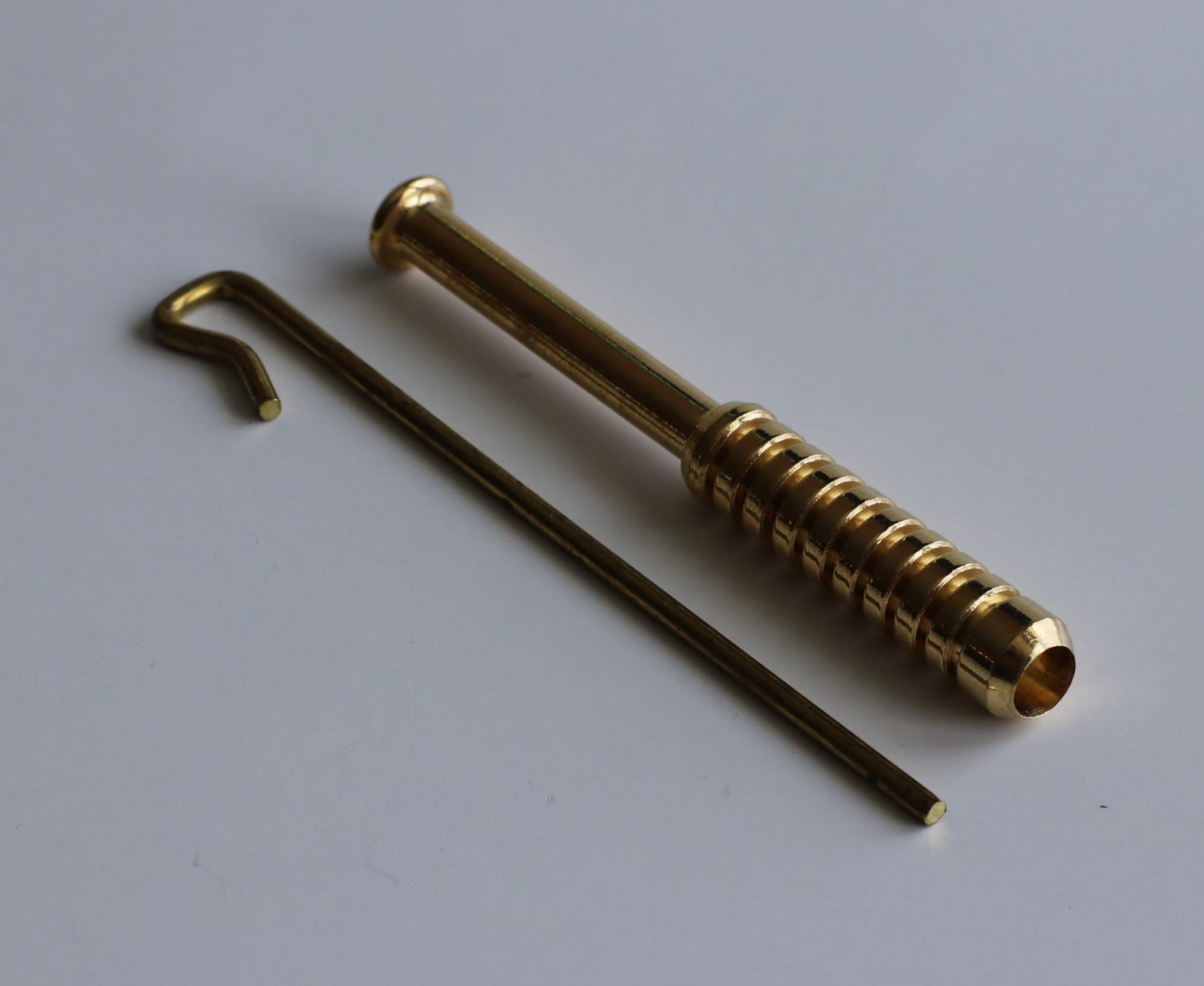
- Use a flexible cleaning brush to reach tight spaces. This brush bends easily, allowing you to scrub corners while avoiding damage. Alternatively, use a poker-cleaning tool designed to clean pipes.
- Dip a cloth or sponge in your cleaning solution. Wrap it around a thick wire or stick for extra reach.
- Attach a vacuum hose with a narrow nozzle to suck out debris. This method eliminates dirt quickly, especially from deep spots.
- Soak a pipe cleaner in vinegar or lemon juice for additional cleaning power. Insert it into the pipe to dislodge stubborn grime.
- Use cotton swabs for precision cleaning in very small areas. They work well to get into tiny openings and crevices.
- Employ pressurized air if necessary; it blasts away dust and loose particles from difficult angles.
- Be patient and persistent; some areas might need repeated efforts before they clean up completely.
Proper care of these pipes enhances longevity and performance, leading you smoothly into polishing techniques next!
How can I prevent tarnish and corrosion on brass pipes?
To prevent tarnish and corrosion on brass pipes, keep them dry. Moisture encourages oxidation and tarnishing. Regularly wipe down the surfaces to remove any water or residue. Use a soft cloth for this task to avoid scratches.
Coating brass pipes with protective oil can also help. A thin layer of mineral oil protects against moisture exposure. Ensure you apply it evenly across all surfaces for maximum effectiveness.
For added protection, consider using clear lacquer specifically designed for metal finishes. This creates a barrier that helps maintain that shiny appearance while preventing damage from environmental factors.
What safety precautions should I take when cleaning brass pipes?
Maintaining your brass pipes can be a satisfying task, but it is important to prioritize safety to ensure the process remains enjoyable and accident-free.
The first line of defense is personal protective equipment: wearing gloves protects your skin from irritants while improving your grip, and eye protection shields you from potential splashes or fumes. Additionally, you should always work in a well-ventilated area by opening windows or using fans to keep the air fresh and reduce your exposure to chemical vapors.
Smart organization and handling of your supplies are equally vital. All cleaning products should be stored securely away from children and pets, and you must never mix different cleaning agents, as this can trigger dangerous chemical reactions.
Before starting, take a moment to read all product labels and manufacturer instructions carefully. If you are using a new cleaner, it is a good idea to test it on a small, inconspicuous area of the brass first to ensure it won’t cause damage.
Finally, your state of mind and your cleanup routine play a large role in safety. It is best to avoid cleaning when you are tired or distracted, as focus is key to handling tools correctly. Once the job is finished, dispose of all used cloths and materials properly to prevent any residue from lingering.
What common mistakes should I avoid when cleaning brass pipes?
To keep your brass pipes in top condition, avoid using abrasive tools or excessive pressure, as these can easily scratch the finish. It is equally important to follow safety protocols by wearing protective gear, ensuring proper ventilation, and never mixing different chemicals.
Always read labels to confirm a cleaner’s compatibility with brass and test a small area before full application.
A thorough cleaning must include reaching into hidden joints and corners, followed by a complete rinse and immediate drying to prevent residue or water spots. By sticking to a regular maintenance schedule and avoiding these common pitfalls, you can easily preserve the shine and functionality of your pipes.
When is it time to seek professional help for brass pipe maintenance?
It’s vital to recognize when professional help is necessary. If you face persistent tarnish or corrosion that simple methods can’t fix, consider calling a pro.
Complex blockages also require expertise. For severe leaks or structural damage, avoid DIY fixes. These problems can worsen without proper care.
Seeking expert assistance ensures your brass pipes receive the best treatment possible. Experts have specialized tools and knowledge to restore your pipes effectively. They can identify issues that might not be visible to the untrained eye, saving you time and money in the long run.
Conclusion
Cleaning brass pipes keeps them looking great and functioning well. Regular maintenance prevents tarnish and reduces corrosion. Use simple tools like vinegar, salt, or baking soda for effective cleaning.
Polish your pipes for a shiny finish to enhance their appearance. Enjoy the process, and keep your brass in top shape!
FAQs
1. How do I clean a brass pipe without damaging it?
To clean a brass tube safely, use warm water mixed with mild soap. Gently scrub the surface using a soft cloth or brush to remove grime and stains. Rinse well and dry thoroughly to avoid water spots.
2. What should I avoid when cleaning my brass tube?
Avoid harsh chemicals like bleach or ammonia because they can discolor the metal. Also, stay away from rough sponges or steel wool; these scratch the pipe’s finish.
3. How often should I maintain my brass tube for best results?
Clean your brass cylinder every few months if you notice tarnish or buildup. Regular care keeps it shiny and prevents corrosion over time.
4. Can natural cleaners work on heavily stained brass tubes?
Yes, you can try lemon juice mixed with baking soda as a gentle cleaner for tough spots on your tubing. Rub lightly in circles, rinse off completely, then buff dry for a bright finish.