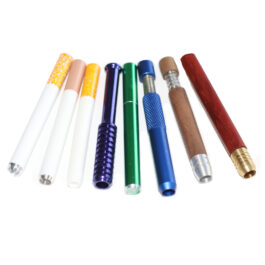
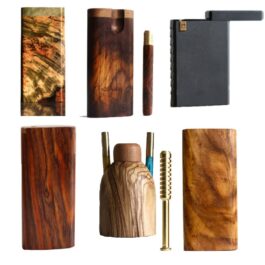
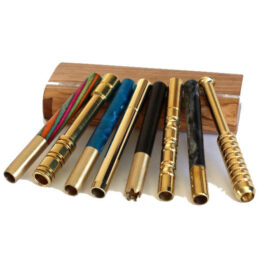
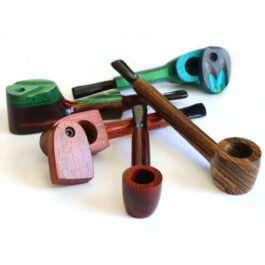
Smoking from a weed pipe is a straightforward way to enjoy cannabis. Whether a glass pipe, one hitter, or dugout, mastering the right technique ensures cleaner draws, consistent effects, and better flavor.
This guide covers pipe anatomy, material impact on taste and heat, step-by-step packing and lighting, maintenance, troubleshooting, and social etiquette.
Learn to avoid common issues like coughing, uneven burns, or clogged airflow by focusing on grind, packing density, and inhalation pacing. Also, discover practical steps, supply checklists, and tricks like cornering and microdosing to save material and enhance flavor.
Key Takeaways
- Understanding pipe anatomy (bowl, stem/chamber, mouthpiece, carb, screen) sets the foundation for smoother, more efficient hits.
- Pipe material matters: glass offers cleaner flavour; metal and wood bring durability and character but may alter taste or heat differently.
- Proper packing (even grind, leave an airflow channel, avoid over-packing) and lighting (cornering the bowl, covering & releasing the carb) maximise flavour, reduce waste and minimise coughing.
- Regular maintenance (tapping ash, clearing airway, weekly/bi-weekly deep cleans) keeps airflow open, preserves taste and extends your pipe’s lifespan.
- Social etiquette and smart techniques (micro-dosing with one-hitters, cornering in group sessions, offering the mouthpiece, passing in order) make for a respectful and enjoyable communal experience.
- Avoid common mistakes like overpacking, torching the bowl centre, skipping cleaning – these lead to harsh hits, uneven burn and clogged airflow.
- Start small: take gentle draws, pace yourself, hydrate and focus on the experience rather than depth or speed.
Key Parts of a Weed Pipe and Their Function
A weed pipe consists of a bowl, stem/chamber, carb hole, mouthpiece, and often a screen. Each part influences airflow, how the flower burns, and smoke delivery.
Understanding their roles helps create smoother, more even, and potent hits. The bowl holds cannabis, the stem cools smoke, and the carb controls air mix. The table below details each part’s function and a practical tip.
| Pipe Part | Primary Function | Pro Tip |
| Bowl | Contains ground cannabis for combustion | Pack so there’s a small channel for even airflow |
| Carb hole | Regulates airflow and clears the chamber | Cover while drawing, release to clear the smoke |
| Mouthpiece | Creates a seal to direct smoke into your mouth | Keep a steady lip seal for consistent pulls |
| Stem / Chamber | Lets smoke cool and travel before you inhale | Longer stems smooth hits; don’t block the airway |
| Screen | Stops bits of flower from being inhaled | Use a screen or a simple layer to reduce clogging |
Mastering the bowl, carb, and mouthpiece is crucial. The bowl’s depth and packing density affect airflow, burn rate, and flavor. The carb hole is an airflow valve: cover to trap smoke, release to clear. The mouthpiece requires a consistent lip seal for predictable draws.
Proper packing, timed carb release, and a steady mouth seal reduce coughing and waste.
How Pipe Materials Affect Your Smoking Experience
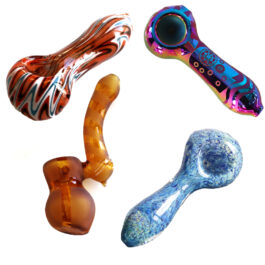
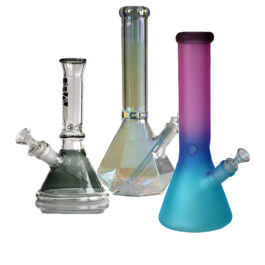
Pipe material impacts flavor, heat transfer, and maintenance. Glass is inert, preserving terpene notes, heats/cools quickly, but is fragile.
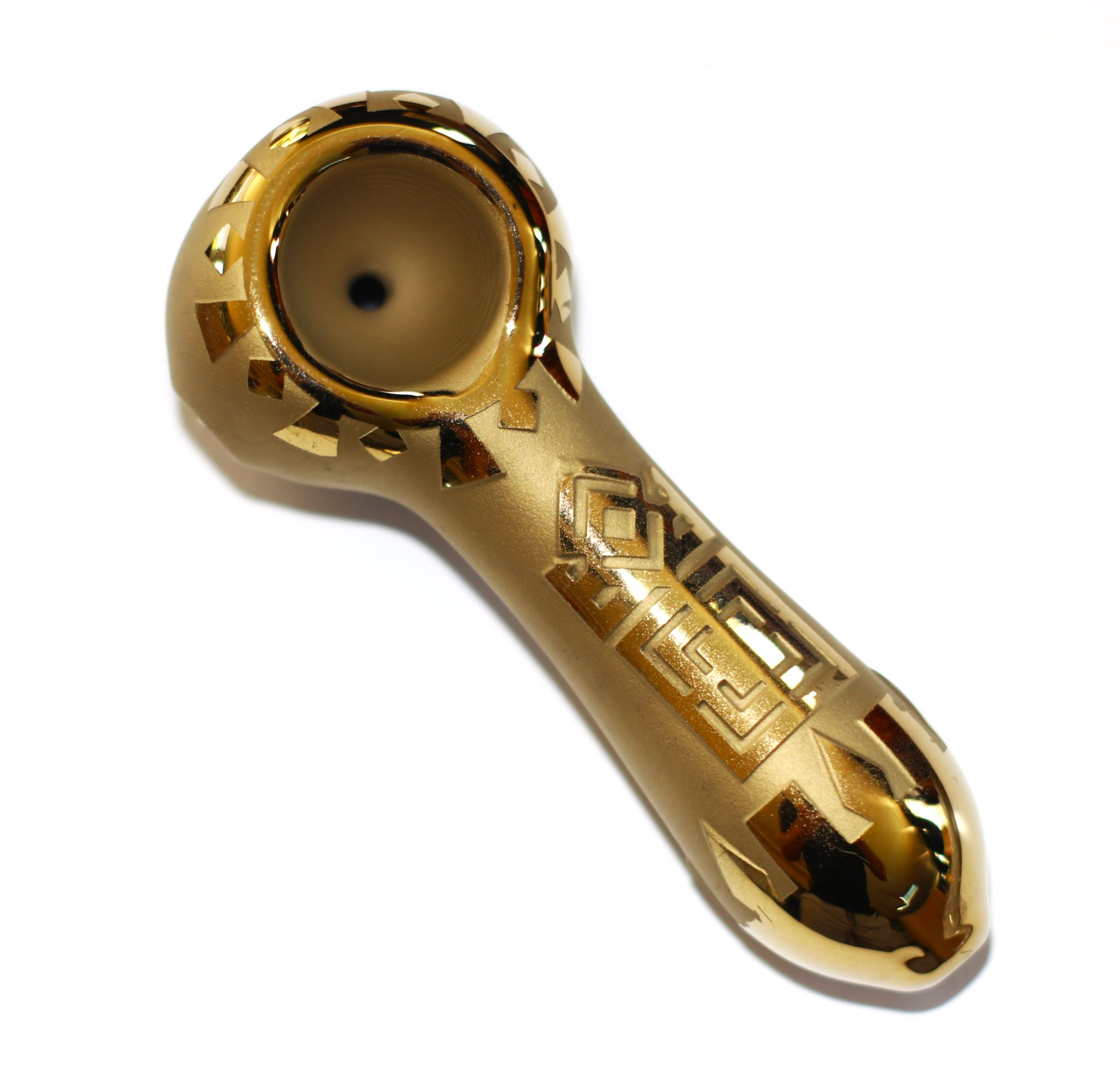
Metals are durable but can add a metallic warmth and conduct heat, a prime example being a brass pipe. Wood and ceramic offer different aesthetics and heat retention.
Cleaning varies: glass tolerates soaking, while wood needs gentle care.
Choose a material based on your priorities, like glass for flavor or metal for portability, and adjust packing and cleaning accordingly.
Essential Supplies for Pipe Smoking
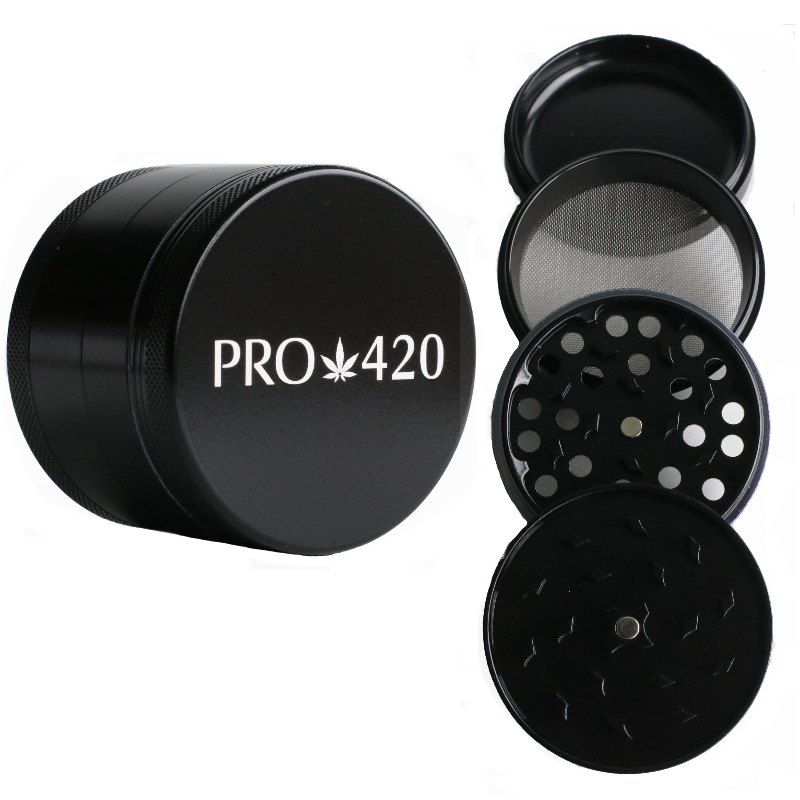
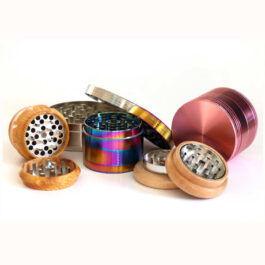
A short supplies list ensures consistent sessions. You’ll need ground cannabis, a reliable herb grinder, a lighter or hemp wick, screens or a puck, a small poker or pick, and basic cleaning tools.
Each tool simplifies packing and maintenance: a good grinder ensures even particle size, screens prevent pull-through, and a poker clears ash. The table below compares common supplies.
| Supply | Characteristic | Recommended Use-Case |
| Grinder (two-piece) | Makes a coarse-to-medium grind | Best for spoon pipes and chillums that need airflow |
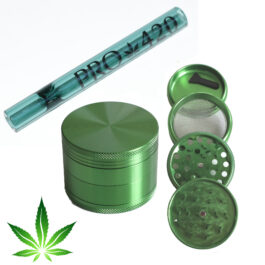
| Grinder (four-piece, kief catcher) | Collects kief for later use | For users who want to save potency residue |
| Lighter (butane) | Quick, convenient flame | Good for fast sessions and portability |
| Hemp wick | Lower-temperature flame, cleaner taste | Preferred when preserving terpene flavour |
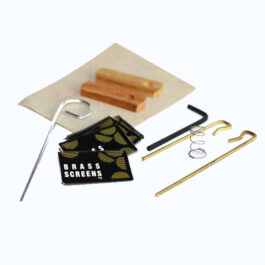
| Metal screen | Durable and reusable | Use in metal or ceramic bowls to prevent pull-through |
Grinder Importance and Lighting Tools
A grinder creates uniform particle size for even burning, steady airflow, and predictable burn rates, reducing coughing and waste.
Avoid fine powder that clogs or large chunks that create hotspots. Two-piece grinders suit most pipes; multi-chamber grinders collect kief. Grind size directly influences packing density. Lighters are fast but can impart a fuel taste; hemp wick burns cooler, preserving flavor but is less convenient.
For lighters, toast the bowl’s edge from a modest distance; use hemp wick for maximum terpene preservation. Always handle flames safely.
Preparing and Packing Cannabis for Optimal Pipe Use
Packing depends on grind size and conservation goals. Loose packing aids cooling and airflow, medium offers balanced flavor, and tight packs suit longer smokes or microdosing.
Start with an even grind, add a screen or pinch at the base, and avoid compressing the center to maintain an air channel. This reduces draw resistance and prevents scorching.
Follow these packing steps for consistent results:
- Grind Evenly: Aim for a coarse-to-medium texture.
- Layer Base (Optional): Add a small screen or pinch of ash/kief.
- Fill Loosely: Add ground cannabis in layers, tamping gently.
- Final Tamp: Lightly press the top rim, ensuring airflow isn’t choked.
Grinding, Packing, and Experience
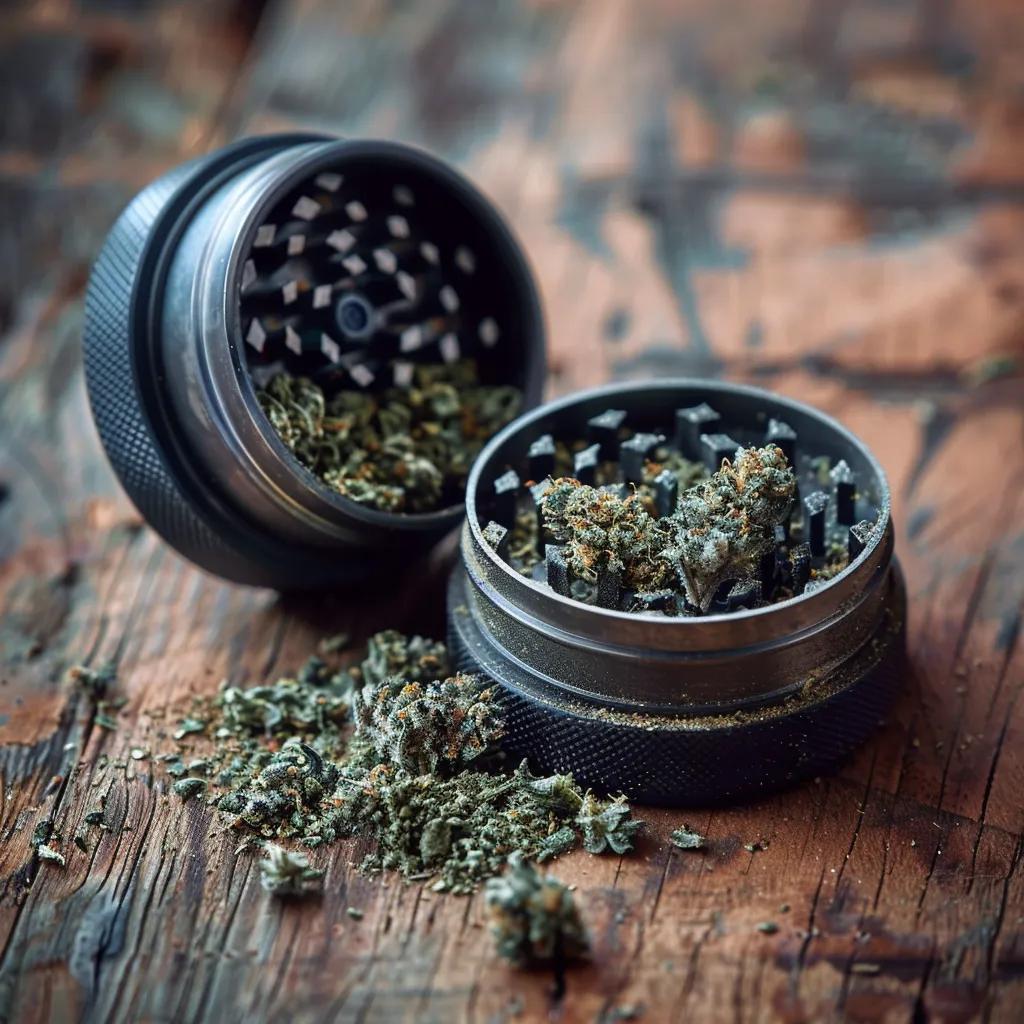
Use a grinder for even texture, avoiding fine powder that restricts airflow. Layer the bowl, leaving a tiny central channel, and tamp gently. Corner the bowl (light just an edge) to make hits last longer and reduce waste, especially when sharing.
Good packing balances airflow and combustion for cleaner, even burns, less material use, and slower resin buildup. It also enhances terpene expression. Understanding packing is key to effective lighting and carb use.
Common Mistakes and Prevention
Beginners often overpack, hold the flame too close, or skip cleaning, leading to poor flavor, coughing, or clogs. Overpacking chokes airflow; a large flame scorches material; leaving ash restricts flow.
Common mistakes and fixes:
- Overpacking the bowl: Loosen the pack, leave a central channel.
- Using a large flame too close: Keep flame at a modest distance, toast edges.
- Skipping regular cleaning: Tap ash after each session, use a pipe tool.
Preventing Clogging and Resin Buildup
Prevent clogs by tapping out ash, using screens, and running a poker through the airway after each use. Regular, brief cleaning stops residue from hardening.
For quick fixes, use a pipe cleaner or paperclip. Schedule monthly or biweekly deep cleans to maintain consistent draws and flavor. Small, regular maintenance reduces heavy scrubbing and extends pipe life.
Frequent Errors in Packing and Lighting
Common errors include packing too tightly, aiming the flame at the center, and mishandling the carb, resulting in uneven burns, harsh smoke, or wasted material.
Fixes are simple: loosen the pack, aim the flame at an edge while drawing slowly, and practice timed carb covers and releases. If issues arise, revert to a loose pack and small draws to diagnose airflow or flame placement problems.
Mastering these basics improves taste consistency.
Cleaning and Maintaining Your Weed Pipe
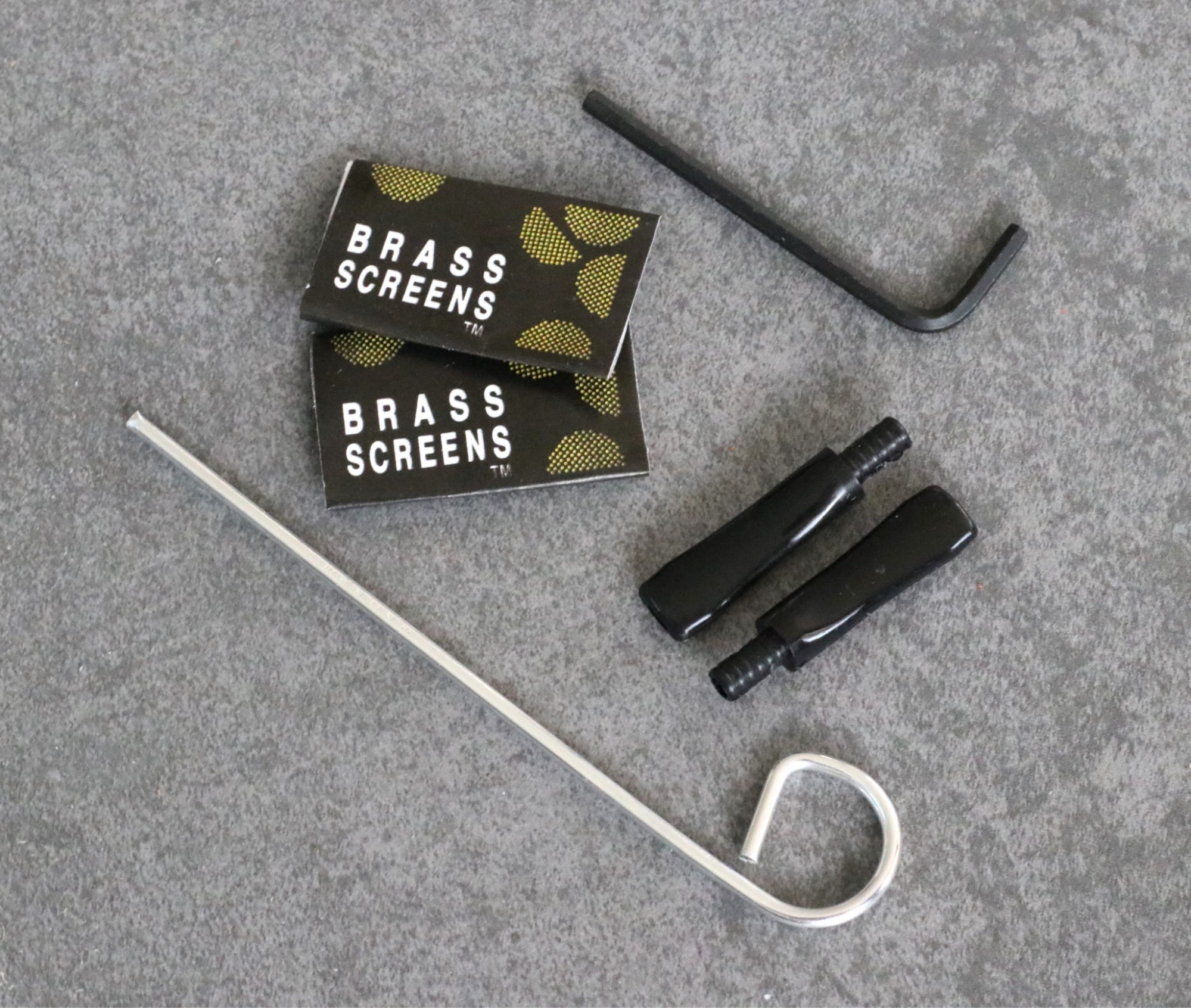
Daily care and occasional deep cleans preserve flavor, prevent clogs, and protect pipe materials. Cleaning frequency depends on material and use.
Daily: tap ash, wipe mouthpiece, rinse non-porous pipes. Periodic deep cleans use isopropyl alcohol and salt to remove baked-on resin.
| Routine | Action | Purpose |
| Daily | Tap out ash, wipe mouthpiece, quick rinse (glass/metal) | Prevents immediate clogging and preserves flavour |
| Weekly (light use) | Run a pipe cleaner through the stem, change screens | Keeps airflow steady and avoids buildup |
| Deep clean | Soak in isopropyl alcohol + coarse salt, agitate, rinse | Removes baked-on resin and restores draw |
| Fragile care | Use mild detergent and warm water; avoid soaking wood | Protects finishes and prevents warping |
Daily and Deep Cleaning Steps
After each session, tap out ash, use a poker for debris, wipe the mouthpiece, and rinse non-porous pipes with warm water. Air-dry mouthpiece down; swap clogged metal screens. These quick steps prevent most clogs. For a deep clean, soak glass or metal pipes in a sealed container with isopropyl alcohol and coarse salt, shake, then rinse thoroughly and air-dry. Use pipe cleaners and swabs for stubborn spots. For wood, use gentle soap and water. Replace screens and check seals after cleaning.
Advanced Tips and Etiquette
Advanced techniques and polite habits enhance group sessions and reduce waste. Cornering (lighting only a section) paces consumption.
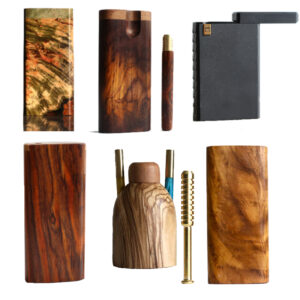
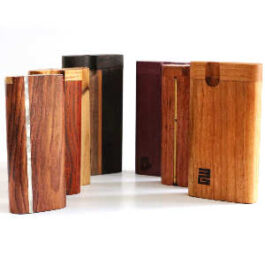
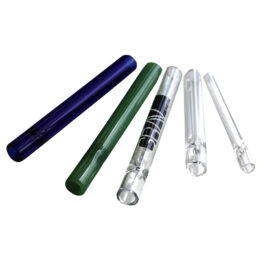
One-hitter pipes and dugouts offer discreet microdosing and portability. Social etiquette includes passing order, wiping mouthpieces, offering water, and avoiding pressure to partake.
The table below matches pipe types to context and efficiency.
| Pipe Type | Discreetness | Efficiency | Best Context |
| One-hitter pipe | High | Very efficient for single small doses | Microdosing, solo use |
| Dugout (with one-hitter) | High | Efficient, pocketable | On-the-go discrete use |
| Glass spoon | Medium | Moderate to high, flavour-forward | Home sessions focused on taste |
| Chillum | High | Simple, direct hits | Quick solitary hits or ritual settings |
Exploring Strains and Group Etiquette
Sample strains with small, controlled hits, allowing time between to note flavor, onset, and effect. Log strain, dose, onset, and subjective notes. Use consistent methods to compare strains accurately.
For group etiquette: pass clockwise, offer the bowl to quieter people first, wipe mouthpieces, and avoid hogging. Communicate potency and recent use for a safe, pleasant experience.
Conclusion
Mastering a weed pipe involves understanding its parts, proper packing, and controlled lighting and inhalation. These skills lead to cleaner hits, better flavor, and less waste. Utilize maintenance tips and etiquette for pleasant, long-lasting sessions. Refine your routine with these techniques to significantly improve your cannabis experience.
Frequently Asked Questions
What Should I Do If My Pipe Gets Clogged?
Tap out ash and use a poker. For an in-session fix, run a pipe cleaner or paperclip through the stem. If persistent, deep clean with isopropyl alcohol and salt. Regular maintenance prevents most clogs.
How Can I Tell If My Cannabis Is Ground Properly?
Properly ground cannabis has a uniform, coarse-to-medium texture. If a packed bowl draws smoothly without resistance, your grind is likely correct. Adjust grind size for optimal airflow.
What Are the Benefits of Using a One-Hitter Pipe?
One-hitter pipes are discreet, efficient, and ideal for small, controlled doses, microdosing, or sampling. They are portable, simple to clean, and preserve flavor by minimizing air and heat exposure.
How Do I Choose the Right Pipe for My Needs?
Choose based on flavor preference, portability, and ease of care. Glass is best for flavor, metal for durability. Consider bowl size and sharing frequency to match your habits and situations.
What Is the Importance of Hydration When Smoking?
Hydration prevents throat irritation and reduces coughing. Smoking can dry your mouth and throat, so drink water before, during, and after sessions for comfort and to gauge tolerance.
How Can I Improve My Inhalation Technique?
Practice steady, controlled draws, starting with small “sip-sized” pulls. Increase gradually. Breathe through your nose beforehand and take breaks. You’ll find the best depth and pace with practice.
What Should I Know About Sharing a Pipe with Others?
Follow hygiene and etiquette: pass clockwise, offer turns to quieter people, wipe the mouthpiece. Be mindful of others’ comfort and consumption, and communicate openly about potency.
How Do You Hit a Pipe for the First Time Without Coughing?
Start with very small “sip” draws (1-2 seconds inhale, then exhale), waiting a few minutes to assess effects. Avoid deep lung-holding and keep the flame slightly farther away for cooler smoke. Stay hydrated and steady your breath. If you cough, pause, sip water, and try a smaller draw next time. Start conservatively for comfort.
What Is the Carb Hole for and How Do You Use It Properly?
The carb hole controls airflow: cover it while lighting and drawing to fill the chamber, then uncover to pull fresh air in and clear smoke. Cover longer for denser smoke, release sooner for a lighter hit. Practice short, timed pulls to match your desired intensity. Mastering the carb ensures consistent and efficient clears.